Six ponies, a silver cup and rather more broken bones than I had bargained for.
In the early 1990s, when I was in my early forties, I was about the last person you would have expected to take up polo. Football, cricket, tennis: mention any of them and I would usually find somewhere else to be. I would rather have been caught in a downpour without an umbrella than spend an afternoon on a sports field.
Then I visited Pooh Leighton at Orange Grove.
Pooh—Petula, for those who didn’t know her by her nickname—and her husband, Ross, lived on a sprawling property with stables and plenty of room for horses. It was a world I knew very little about. Pooh decided that could be remedied.
Polo, she said.
The sport of kings. And there I was, still trying to establish which bit of the equipment went where.
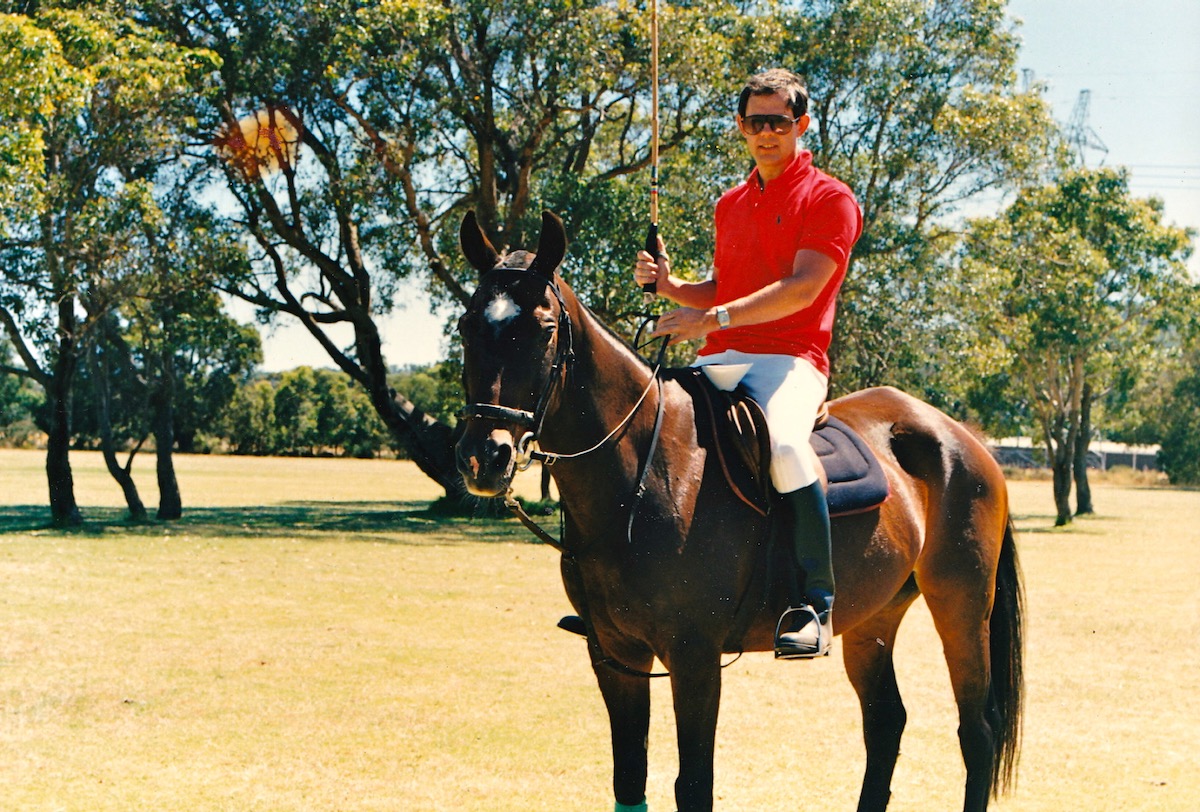
Before long, I was sitting on Lady, a patient pony, with a mallet in my hand. I reasoned that if I could pat my head while rubbing my stomach, I ought eventually to manage hitting a small ball with a long stick while travelling on a horse. Whether the horse agreed with this assessment was another matter.
The first satisfying connection between mallet and ball did it. That sound, followed by the sight of the ball actually going somewhere, was irresistible. Over the following weeks, Pooh taught me the basics. Lady and I began to understand one another, and I started to believe I might be able to play.
Calling us a formidable partnership would be generous. But I was hooked.
All In
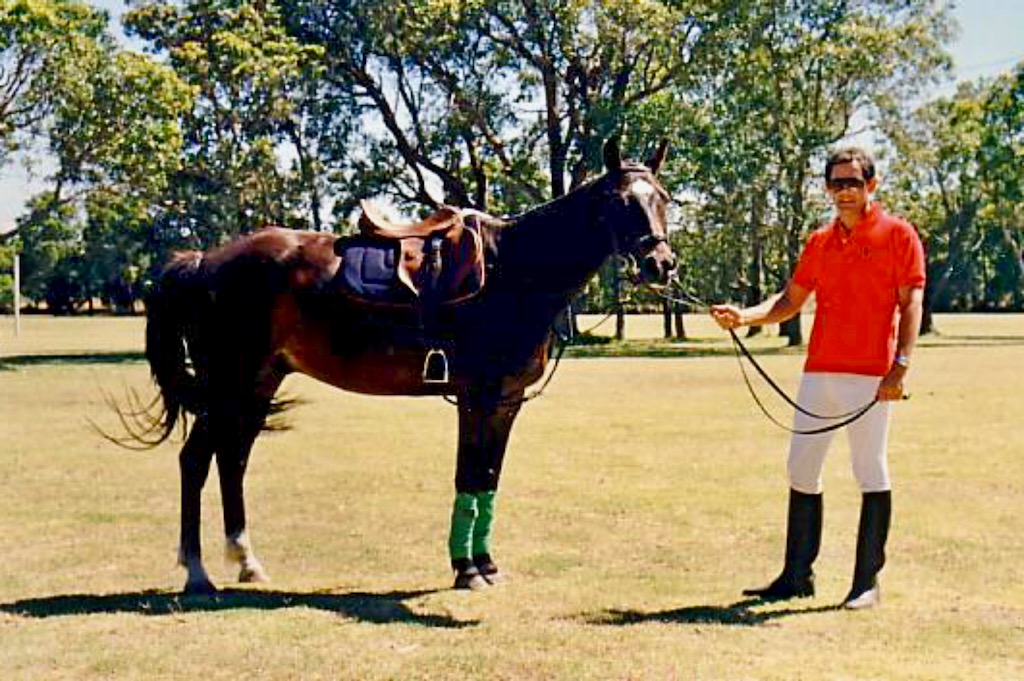
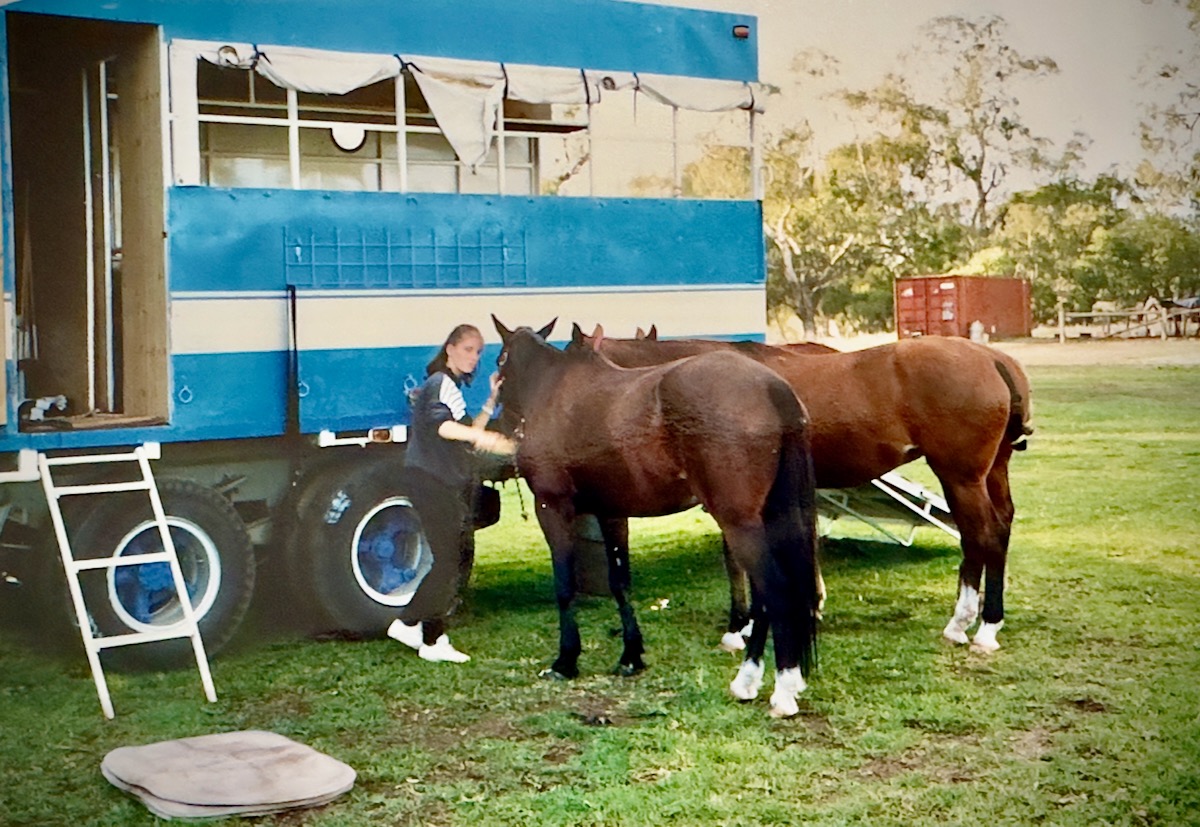
I did not approach my new enthusiasm halfway. Before long, I had six polo ponies, a large horse truck and a full-time groom. Business was going well, which was fortunate: polo had introduced me to an impressive number of things I apparently needed to buy.
There were saddles, bridles, bits, reins, saddle blankets, leg bandages and tail bandages. Then came my own equipment: white riding trousers, polo shirts, boots, knee pads, gloves, helmet, face guard, spurs, crop and several mallets. Taking up a sport had somehow become an exercise in acquiring a small equestrian establishment.
Ian Johnson invited me to share his newly built stables next door to Ross’s property. Ian was known as “Freddie the Rat”. I never did discover why, and perhaps it was wiser not to ask.
He had also committed himself enthusiastically to polo and invested heavily in the stables. For me, the location was ideal. We could walk the ponies next door for stick-and-ball practice, training and friendly games. What might otherwise have been a complicated arrangement became part of the daily routine.
With Ross and Pooh’s help, I became involved with the Keysbrook Polo Club, based on Keith Kiely’s property in the Serpentine area. I began with a handicap of minus two and eventually progressed to minus one. It may not sound like a great leap, but I was pleased with it.
The club brought together people with remarkable experience. Keith’s son, Brett, had worked in polo for Prince Charles in England. I had arrived knowing next to nothing and found myself learning among people for whom horses and the game were a way of life.
One of my ponies, Emblem, presented a particular challenge. Arthritis made stopping from a gallop painful for him, and once he was going, pulling up could be an anxious business. More than once, the boundary hedge approached rather faster than I would have liked.
I had taken up polo to learn how to hit a ball. I was also learning how much depended on the horse beneath me.
People and ponies
Select a photograph to enlarge.

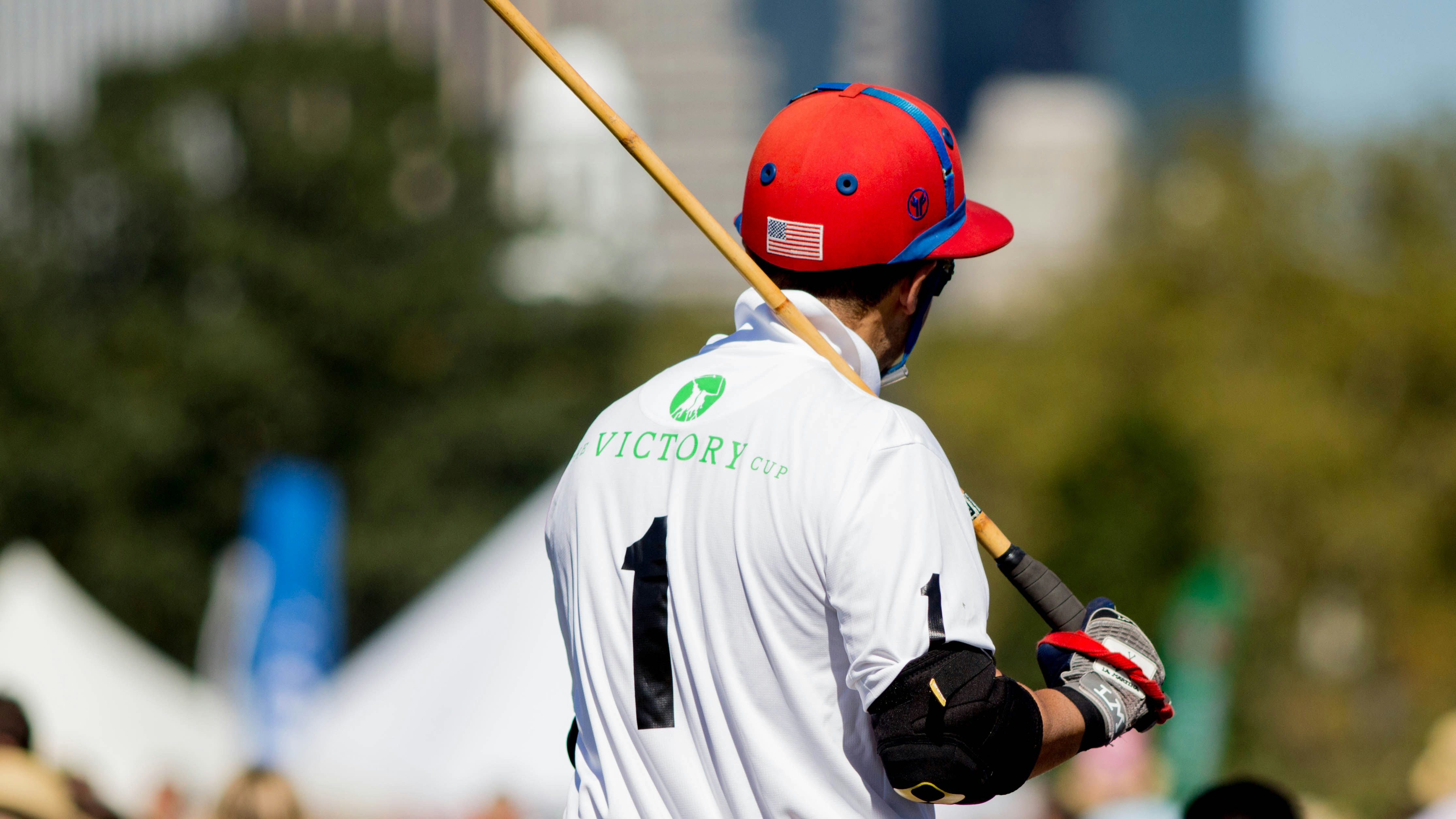
Following Orders
At a tournament at the Equestrian Centre in the Swan Valley, Ross, our team captain, gave me a clear instruction: keep Ernie Cooley away from the ball.
Ernie was an experienced, competitive player, also responsible for Laurie Connell’s team and instrumental in a number of its victories. I was still comparatively new to the game, but I understood my assignment. Perhaps a little too literally.
For several minutes, I concentrated on frustrating his attempts to get back into the play. Then our mallets became entangled. The ball and the rest of the game moved away, leaving the two of us locked together and Ernie becoming increasingly annoyed.
In hindsight, my enthusiasm for carrying out Ross’s instructions had probably outstripped my judgement.
Eventually, I let go of my mallet and dropped it. Ernie was free to rejoin the game, while I had the less glorious task of retrieving my equipment. He never spoke to me again after that, although, to be fair, he had not paid me a great deal of attention beforehand.
On and off the field
Select a photograph to enlarge.
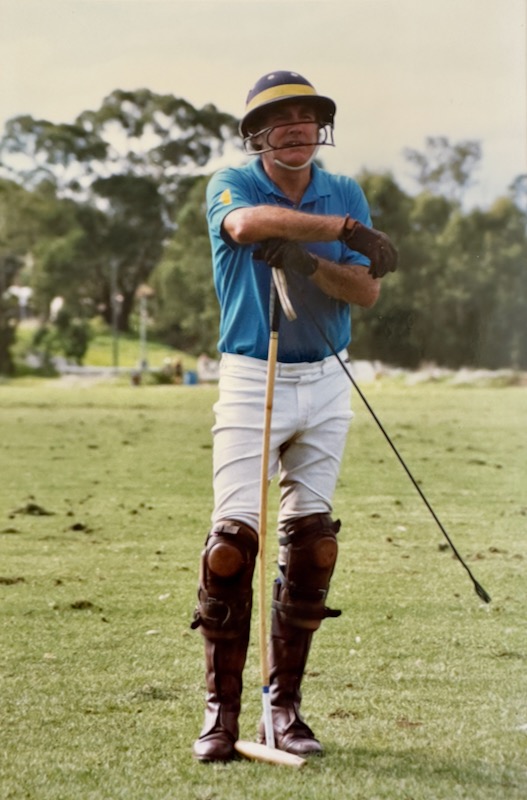
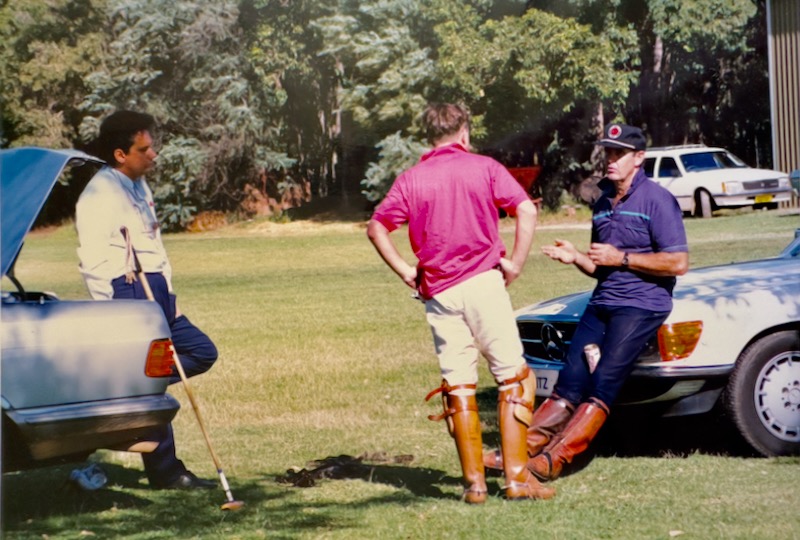
The Goal That Got Away
King’s Meadow in Guildford, home of the Perth Polo Club, was a lovely place to play. Mature trees framed the grounds and gave spectators some welcome shade. I have many memories of it, but one particular shot remains unusually clear.
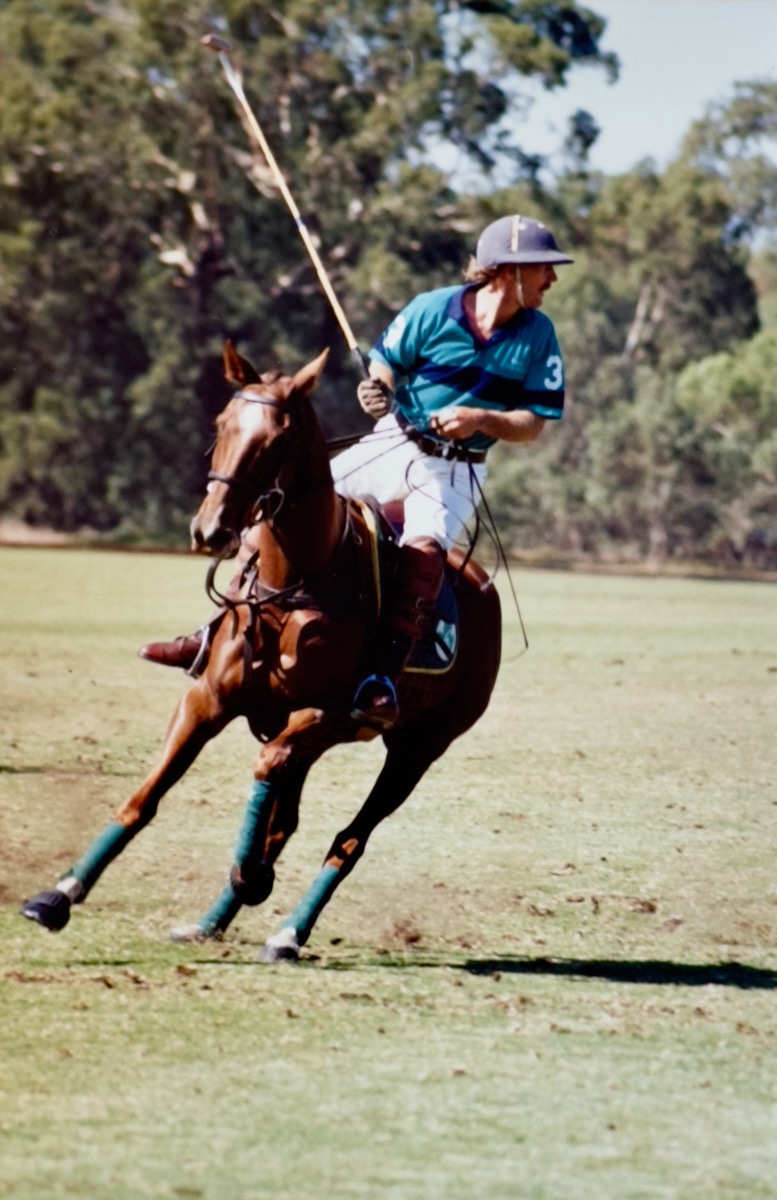
I was playing my usual number four position, the full-back, and found myself with the ball near the right-hand boundary. The angle to the goal was awkward—about thirty degrees—but I managed an under-neck shot that connected beautifully.
The ball headed straight for the goal. As it slowed, it kept rolling, still perfectly on course to go between the posts. For once, everything had come together: the timing, the angle, the contact. An under-the-neck shot from the side of the field, straight towards the goal. I could hardly believe I had done it.
Then our number one came bounding up and, with only two or three metres left to go, gave it another tap. It did not need another tap. It was already going in.
He got the credit for the goal. Nobody even mentioned the shot that had sent the ball all that way.
I was really annoyed. I thought I had done something incredible, possibly the finest shot I would ever play, and someone else had collected the applause for the last couple of metres.
If TikTok had existed then, that shot deserved to be on it. Instead, it survives only in my memory, where I am pleased to report it remains absolutely magnificent.
A World Beyond The Field
Polo introduced me to a broad mixture of people: business figures, farming families, experienced horsemen and newcomers like me. Laurie Connell, Bernie Hart and Phil Hardcastle were among the personalities around the game. For all its reputation as an exclusive pastime, much of its appeal lay in the people who kept the clubs going and the welcome they extended.
My involvement also crossed into business. Through Burlington Jewellers, I sponsored tournaments, combining support for a sport I enjoyed with an opportunity to promote the business.
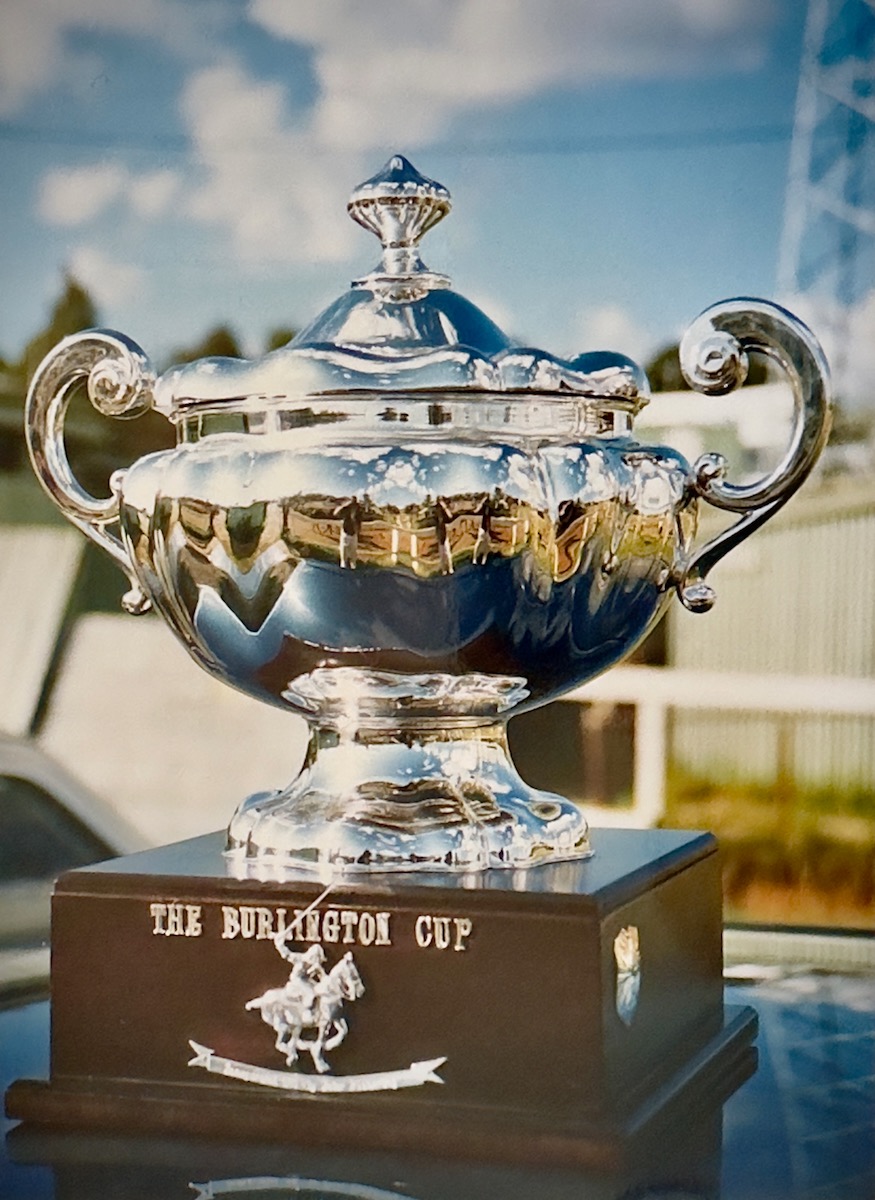
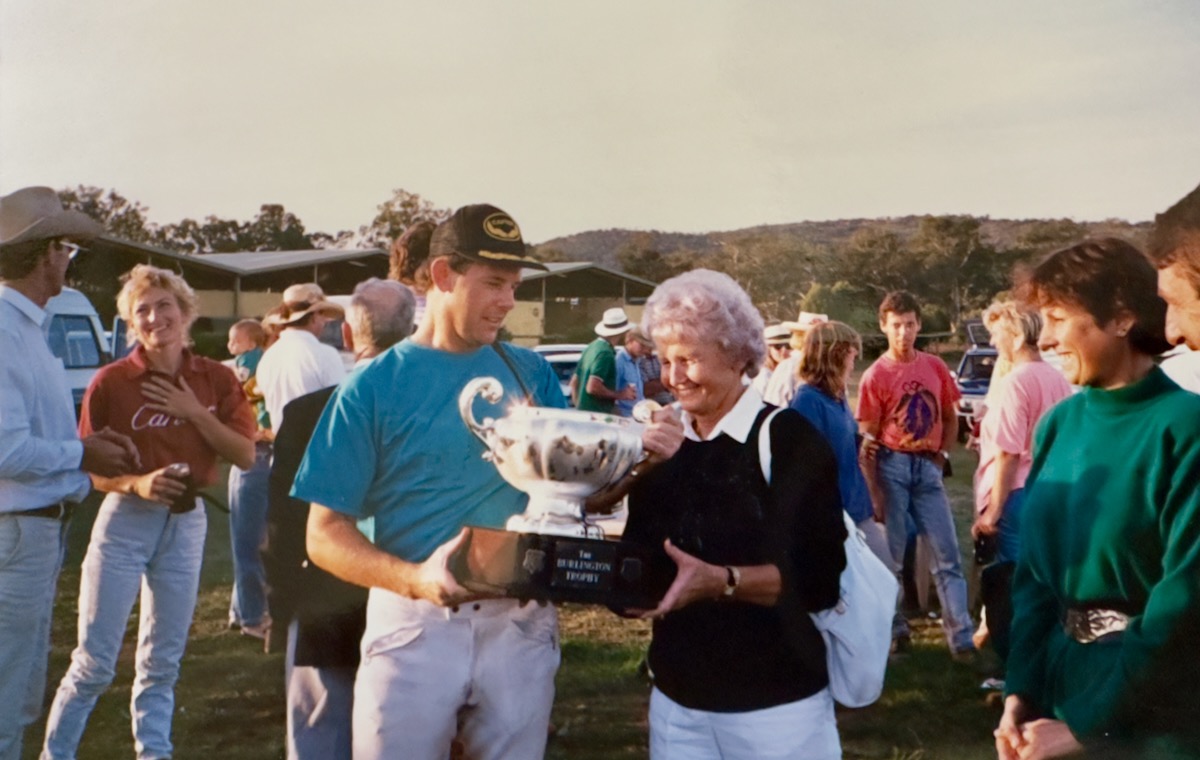
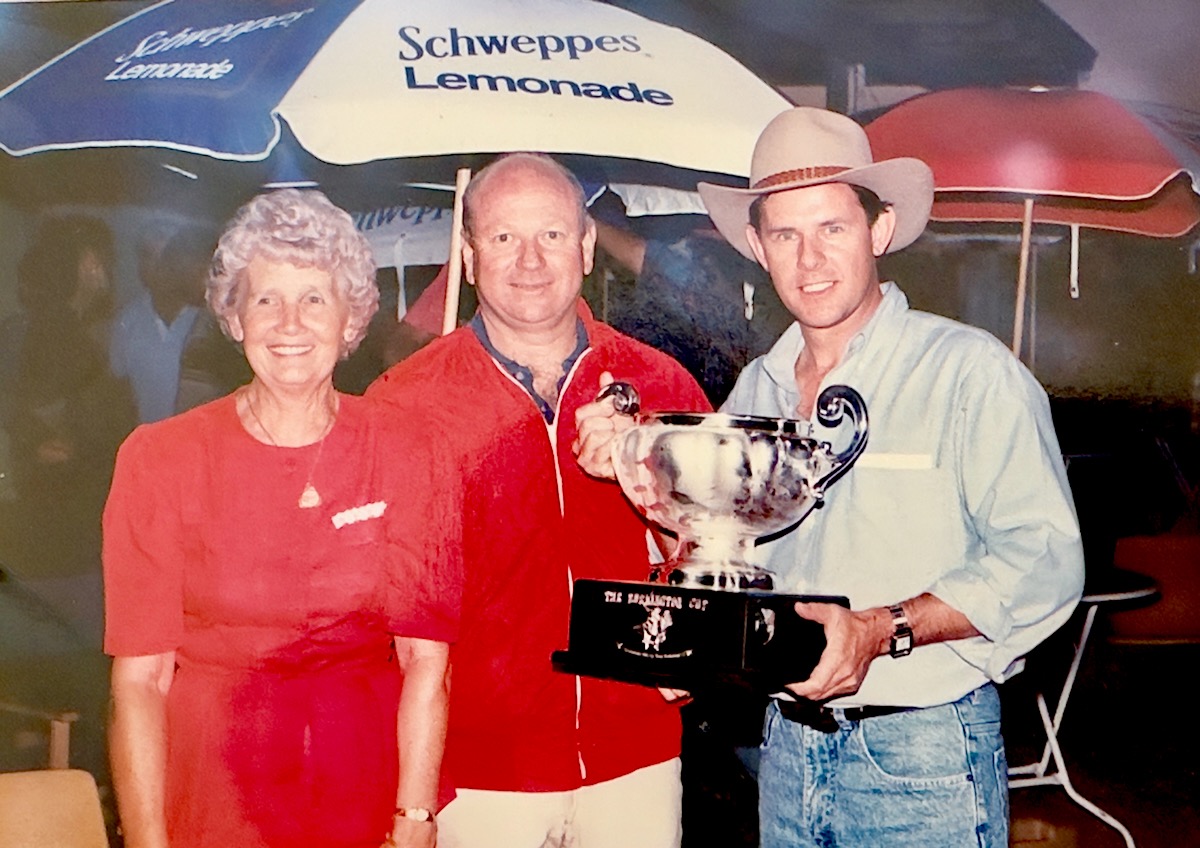
The Burlington Cup became a particular source of pride. The first presentation had to be made with a temporary version because the finished piece was not ready. The completed trophy featured a hand-carved, solid-silver polo pony and rider in place of the simpler engraved plate used initially.
It also had an elaborate lid, although that was often set aside when the celebrations began. A cup being filled with champagne has little practical use for a lid.
Laurie Connell told me it was the finest cup he had ever won. Given his involvement in polo and the number of trophies that had passed through his hands, I took that as a considerable compliment.
The game offered connections beyond Perth, too. Shared enthusiasm gave people something to talk about before they knew much else about one another. I could see how a polo player arriving at a club elsewhere in the world might soon feel at home.
The Burlington Cup
Select a photograph to enlarge.


Singapore, From The Sidelines
I hoped to experience that welcome as a player at the Singapore Polo Club. The reception was friendly, and I was keen to have a go. Unfortunately, there was a weight limit, and I was slightly over it.
I was still reasonably fit, but the scales were not interested in my opinion of myself. My plans to play in Singapore ended before I reached the field.
I stayed to watch instead.
The arrangements I encountered were quite different from those I knew in Australia. At home, I was accustomed to playing six chukkas in a day. The Singapore polo I watched was spread more leisurely over separate days, sometimes with a considerable interval between them.
The players seemed to emerge looking remarkably fresh. I was used to finishing thoroughly worked over, so I found this rather gentlemanly approach appealing. It was another way of enjoying the same sport, and a reminder that my experience in Perth was not the only way things were done.
The Memory That Stayed With Me
Not all my memories of King’s Meadow are happy ones.
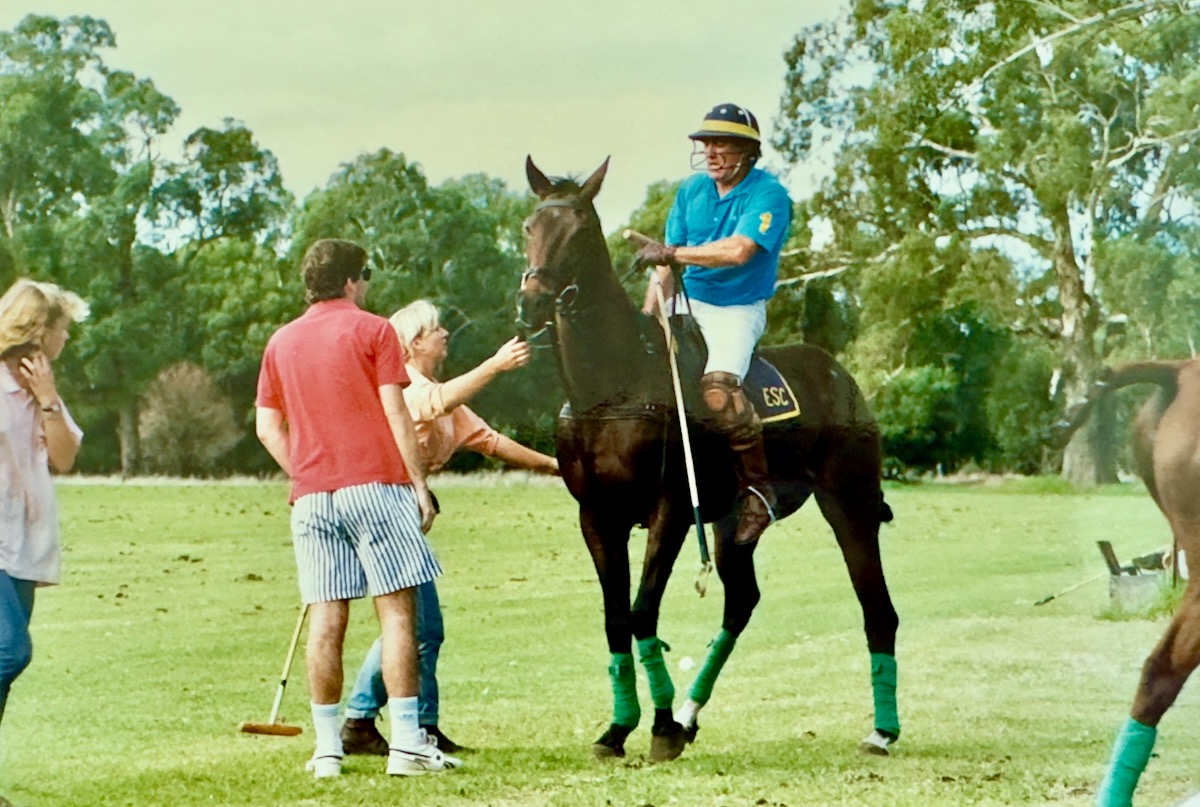
On a terribly hot day, I witnessed a pony collapse and die. It was Ernie Cooley’s pony. As I remember the circumstances, he was short of a horse and had brought back a pony that had already played earlier in the match.
I was there when it happened. The sight of that horse going down, and the realisation that it had died, cast a shadow over the day that I have never forgotten.
The heat was dreadful, and the incident brought home the responsibility we carried every time we rode onto the field. The competition, the trophies and the applause all depended on the animals doing the hardest work.
Whatever our ambitions as players, their welfare had to come first.
Between chukkas
Select a photograph to enlarge.
Knowing When To Stop
My own enthusiasm eventually began to collide with the physical cost of playing. Over the course of my polo days, I collected a broken ankle, a fractured elbow, repeated dislocations of a kneecap, concussion and broken ribs.
For someone who had once gone out of his way to avoid sport, I had made an impressive job of finding one that could hurt me.
There came a point when I seemed to spend more time recovering than playing. I began to think less about the next tournament and more about the possibility of an injury from which I might not recover so easily. Reluctantly, I decided it was time to stop.
I missed the game, the company and the connection with the ponies. Polo had taken me into a world I would never have expected to enter, and I was glad I had allowed Pooh to persuade me onto Lady that first day.
During those years, I had also been introduced to the Peel Hunt Club. Fox hunting arrived later and overlapped with my polo days, opening another chapter in my life with horses.
But that is a story for another time.